
February 2025
Branding, Consumer Packaged Goods, Retail/E-Commerce
29 min read
Diving Deep into CPG Marketing and Where it’s Headed this Year
The Evolution of CPG Marketing
Remember when buying toothpaste just meant grabbing whatever was on sale? Now, it’s an existential crisis of eco-friendly, charcoal-infused, AI-recommended options. Consumer packaged goods (CPG) marketing has come a long way from simple in-store promotions and Sunday coupon clippings. Today, it’s an omnichannel battleground where digital and retail must coexist seamlessly.
What Is CPG Marketing & Why Does It Matter?
CPG marketing promotes everyday products like snacks, shampoo, and laundry detergent. Unlike high-consideration (durable) purchases like cars or electronics, CPG brands must quickly and repeatedly capture consumer attention, from toddlers to their parents, when they want them to “watch this.”
The global consumer packaged goods market will reach over $3.4 trillion by 2034. Brands that master a blend of digital and retail strategies will dominate in 2025 and beyond.
Why CPG Marketing Is Unique
- CPG products have a much shorter sales cycle, which means there is less time to convince a customer to choose your brand and choose it again.
- The battle for brand loyalty is savage, and standing out in a crowded aisle (physical or digital) is a constant challenge.
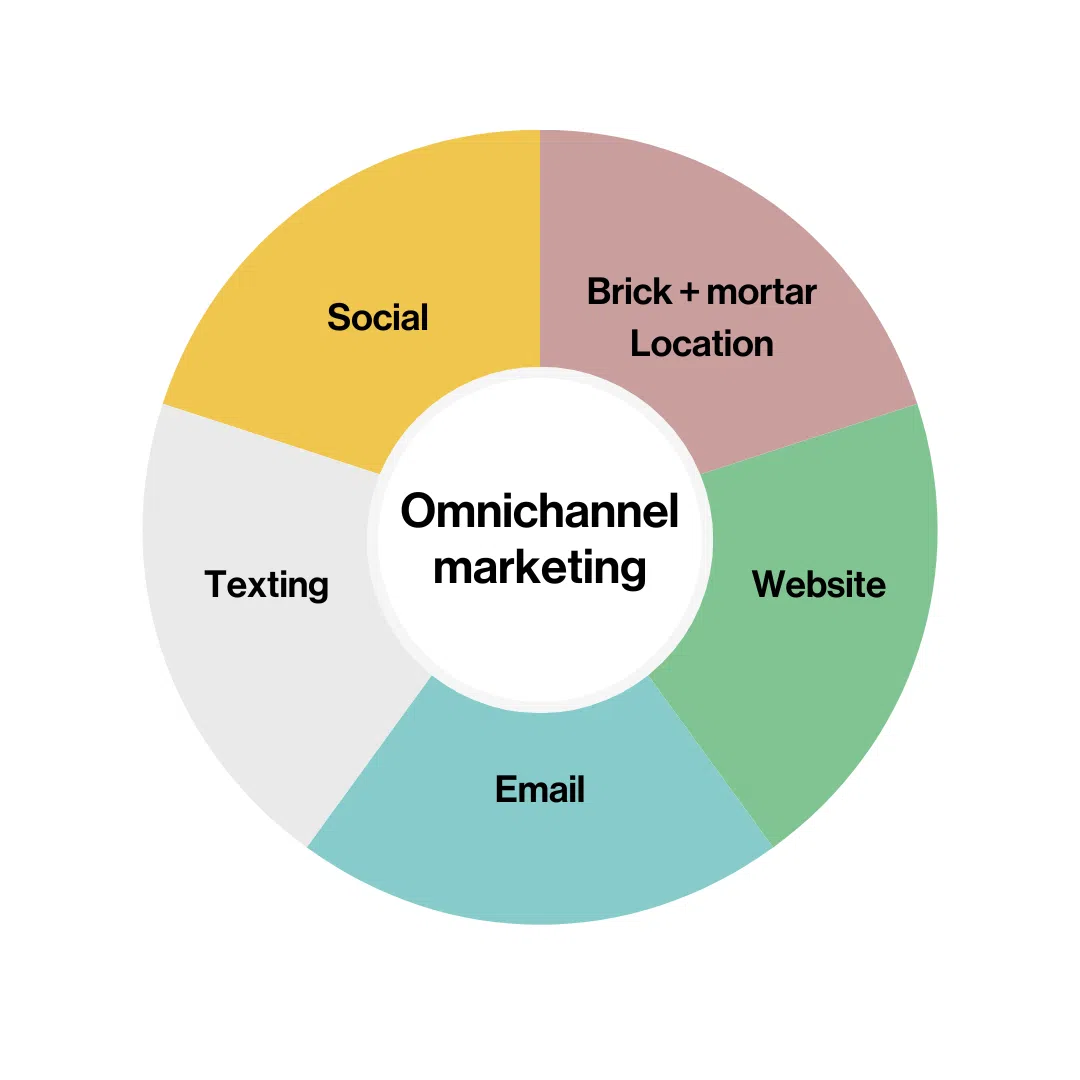
- Omnichannel marketing (blending digital, in-store, and direct-to-consumer (DTC) strategies) is now essential.
"In the ever-evolving world of CPG, clinging to yesterday’s marketing tactics is a recipe for today’s irrelevance. Staying ahead of trends isn’t just an advantage anymore, but the price of admission."

Zak Smith
Director of PPC Strategy
Key Trends in CPG Marketing for 2025
1. Omnichannel Domination: The Digital-to-Physical Connection
Today’s shoppers are becoming more particular about their customer journey and expect a seamless transition between online discovery and in-store purchases. Brands are integrating QR codes, augmented reality AR try-ons, and digital-first promotions to bridge the gap.
Seventy-three percent of retail shoppers interact with brands online and offline before purchasing, called “omnichannel shoppers.” Here’s some tough love for you: if your brand isn’t connecting the dots between digital engagement and in-store conversions, you’re doing it wrong.
2. Retail Media Networks Are Taking Over
There are over 250 retail media networks worldwide (Walmart is currently at no. 1, outpacing Amazon by leveraging its massive brick-and-mortar presence alongside its growing digital footprint), proving brands have more opportunities than ever to meet consumers at the point of purchase.
CPG brands are shifting ad budgets to retailer-owned media platforms like Amazon, Walmart Connect, and Kroger Precision to get in front of high-intent shoppers. This shift aligns closely with shopper marketing, as retail media networks allow brands to influence consumers at the critical decision-making moment—right before they make a purchase.
Unfamiliar with retail media networks? Think of the eye-level signage on grocery store shelves, but digital. They target the perfect customer even more precisely by using shoppers’ purchase data.
By leveraging first-party data and closed-loop measurement, brands can enhance in-store promotions, optimize shelf placement strategies, and create more personalized shopping experiences.
3. Personalization at Scale
CPG marketers harness AI to deliver hyper-relevant promotions and dynamic, creative, and individualized product recommendations. With third-party cookies on the way out, first-party data is now the gold standard for effectively targeting consumers. Brands that leverage shopper data from loyalty programs and direct interactions will have a serious competitive edge.
4. Sustainability as a Selling Point (But Be Genuine About It)
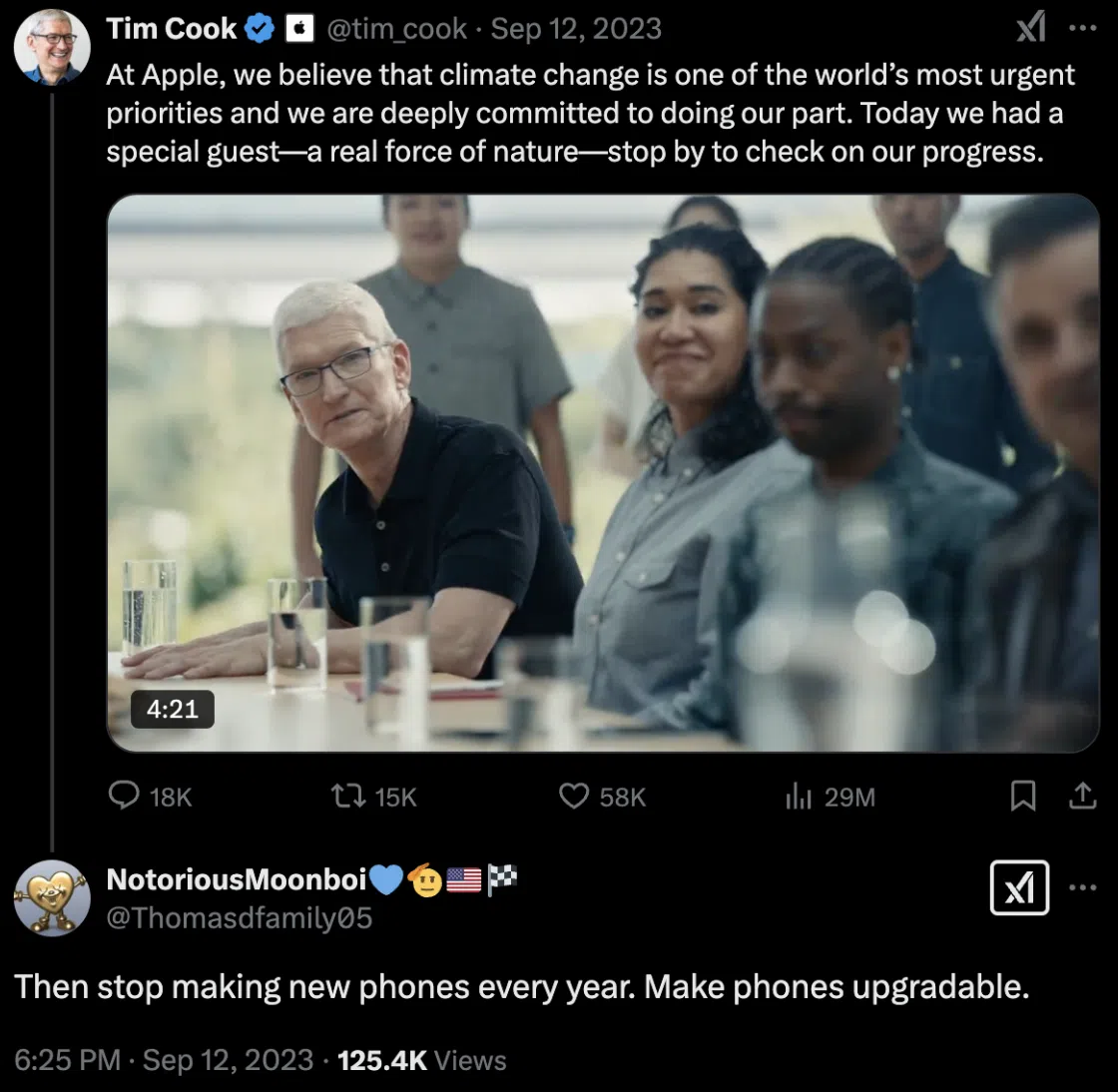
Consumers are prioritizing sustainability like never before. From eco-friendly packaging to ethical sourcing, transparency is key. Brands that openly communicate their sustainability efforts—whether through carbon footprint disclosures or recycled materials—are winning consumer trust.
However, consumers have an increasingly keen eye for brands that exaggerate how eco-friendly they are—and they’re not afraid to call you out on it, either.
5. Influencer-Led CPG Marketing
If you’ve been living under a rock, social media influencers are changing how brands connect with consumers. Micro-influencers and user-generated content are redefining brand engagement, and CPG brands are increasingly tapping into niche communities through relatable content that resonates more than polished brand ads.
6. The Return of Experiential Marketing
CPG brands invest in real-world activations, such as pop-ups, sampling events, and community-driven experiences. Merging physical and digital engagement creates lasting brand connections and word-of-mouth buzz.
How CPG Marketing Differs from Traditional Marketing
CPG marketing focuses on high-volume, low-cost products like food and household items, emphasizing frequent repurchases and wide-reaching campaigns, and relies on retail partnerships, in-store promotions, and brand loyalty.
Traditional marketing covers a broader range of products and industries. It often involves longer sales cycles and personalized customer relationships. It focuses more on building trust and uses various tactics, from mass media to direct mailers.
Conclusion: Winning in 2025’s CPG Landscape
To stay competitive, CPG brands must embrace digital-to-retail connectivity, personalization, and sustainability. Whether leveraging retail media networks, creating hyper-personalized campaigns, or creating seamless omnichannel experiences, brands that evolve with these trends will lead the pack.
Need a CPG marketing strategy that keeps you ahead of the curve? Techint Labs has experience creating comprehensive and effective marketing strategies for CPG brands.
Contact us today to get started.