July 2024
Holiday/Seasonal Marketing, Industry Insights
37 min read
The surge in political advertising spending
As we approach a massive election cycle, the political advertising landscape is undergoing significant transformations. With an impressive surge in digital advertising spending, the rise of programmatic formats, and the integration of artificial intelligence (AI) and advanced analytics, political campaigns are more sophisticated than ever. Let’s dive into the latest trends, spending patterns, and strategic insights to help you effectively navigate the dynamics of advertising and marketing within this landscape.
One of the most striking trends this election cycle is the dramatic increase in digital political advertising spending. According to eMarketer, U.S. digital political advertising spending is projected to grow by an impressive 156.3% compared to 2020. This surge far outpaces the overall growth in U.S. political advertising spending, which is expected to increase by 28.7%.
This growth highlights the increasing importance of digital platforms in political campaigns. With the ability to reach targeted audiences with precision and efficiency, digital advertising is becoming a cornerstone of modern political strategy.
Watch our webinar, Navigating the Election and Olympic Year Advertising Maze, to explore practical strategies for navigating this competitive environment and discover how to reach your audience amidst the political advertising frenzy.
The rise of programmatic advertising
Approximately 90% of digital advertising spending is now directed toward programmatic formats. The shift towards automated and highly targeted advertising underscores the importance of transparency and accountability in digital political advertising.
Programmatic advertising leverages data-driven algorithms to deliver personalized advertisements to specific audiences at scale. This method contrasts with traditional linear TV, which requires mandatory disclosures of political advertisement buys. This enables campaigns to monitor and match opponent spending more effectively. However, transparency issues persist in the digital realm, making tracking and verifying political advertising expenditures more challenging.
The dominance of connected TV (CTV)
Connected TV is a dominant force in digital political advertising spending. With over two-thirds of the U.S. population using CTV and adults expected to average over two hours of daily viewing in 2024, CTV has become a prime channel for political campaigns. Its ability to combine traditional TV advertising experiences with advanced targeting and analytics makes it an essential component of data-driven campaign strategies.
According to eMarketer, CTV political advertising spending will grow sixfold compared to 2020, accounting for 45% of all digital political advertising spending this year, up from 19% in the last presidential election. This growth underscores CTV’s increasing importance in reaching undecided voters and boosting voter turnout.

Social media’s role in political advertising
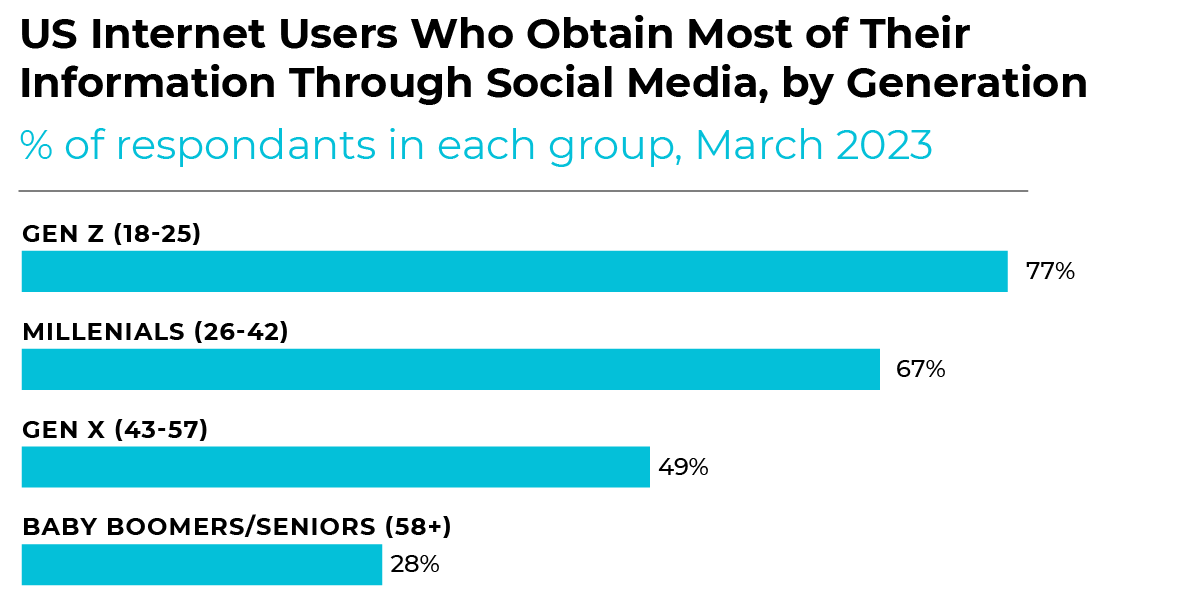
We’ve all encountered political content on social platforms like X and TikTok, whether opinion pieces or factual clips. The most prolific voters—Gen Z, Millennials, and Gen X—spend significant time on social media and often receive their news through these channels.
While social network political advertising spending is expected to nearly double from 2020 to 2024, increasing by 86.7%, its share of digital political advertising spending will decline. This is primarily due to the explosive rise of CTV. Despite the modest growth in social network users and platform restrictions on political advertisements, social media remains critical for campaigns to engage specific voter groups, particularly younger voters.
According to a recent Pew Research Center survey, over half of U.S. consumers turn to social media for news at least occasionally. This highlights the continued relevance of social platforms in shaping public opinion and political discourse.
The impact of artificial intelligence (AI) and regulatory challenges
Integrating artificial intelligence can pose opportunities and challenges in advertising within a political election cycle. The opportunity lies in AI being able to analyze large amounts of data to identify voter preferences and behaviors and help adjust messaging to be more effective.
However, one of the most significant developments is the Federal Communications Commission’s (FCC) proposed rule requiring disclosures for AI-generated content in political advertisements. This move comes in response to the increasing use of AI deepfakes in recent campaigns. These sophisticated AI-generated videos and images can create highly realistic yet entirely fabricated representations of political figures, posing a severe threat to the integrity of the electoral process. By mandating disclosures, the FCC aims to ensure voters are aware of AI use, thereby maintaining transparency essential for informed decision-making.
Certain states are also stepping up to address the challenges posed by AI in political advertisements. Eleven states have enacted or proposed laws mandating AI disclosures. These state-level initiatives reflect a growing recognition of the need for regulation to keep pace with technological advancements.
As AI continues to influence elections, it’s not just the technology that needs to evolve; platforms and regulators must adapt quickly to these changes. The rapid development of AI technologies demands that both platforms, like social media and advertising networks, and regulatory bodies remain vigilant.
Transforming political advertising with data-driven testing
The integration of social science-based testing is increasingly revolutionizing political advertising campaigns. This approach, which analyzes voter responses to a specific advertisement, can double the effectiveness of advertising spending and significantly impact voter attitudes and election outcomes.
In a recent UC Berkeley study, rigorous, data-driven experiments replaced traditional advertising creation methods. These experiments allowed campaigns to fine-tune their messages based on real-time feedback, enhancing precision and effectiveness.
The surge in U.S. digital political advertising spending presents a significant opportunity for your brand. By relying on automated and data-driven targeting methods, CTV, artificial intelligence, and social media, there are opportunities to dominate this space during the election cycle. You can navigate this ever-changing landscape effectively by leveraging new technologies and strategic insights to drive impactful campaigns by staying informed and adaptable.
How Techint Labs can help
Suppose you want to elevate your advertising game during this year’s political election cycle. In that case, Techint Labs has the expertise, strategic insights, and cutting-edge technology to take your campaign to new heights. Whether harnessing the power of digital, leveraging Connected TV, or navigating the intricacies of artificial intelligence and transparency, we are your trusted partner in achieving impactful results.
Contact us today to learn how we can help your brand win the vote among consumers and make a lasting impression.